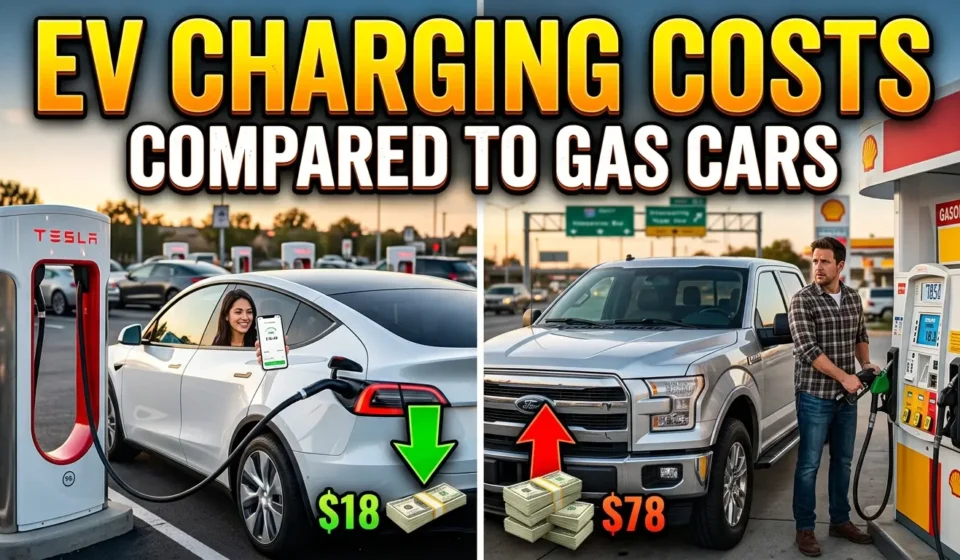

EV Charging Costs Compared to Gas Cars: Which Saves More Money in 2026?
As electric vehicles (EVs) continue gaining popularity worldwide, one of the biggest questions potential buyers ask is whether charging an electric car is actually cheaper than fueling a traditional gasoline-powered vehicle. While environmental benefits often receive significant attention, the financial advantages of electric vehicle ownership are equally important for many consumers.
In 2026, rising fuel prices and advancements in battery technology have made electric vehicles more attractive than ever. However, understanding the real cost difference between EV charging and gasoline expenses requires a deeper look at several factors, including electricity rates, fuel prices, driving habits, charging methods, and vehicle efficiency.
For many drivers, transportation represents one of the largest monthly expenses. Fuel costs alone can consume a significant portion of a household budget. Therefore, comparing EV charging costs to gasoline expenses can help buyers make smarter financial decisions and better understand the long-term benefits of switching to electric mobility.
Understanding How EV Charging Costs Work
Unlike gasoline vehicles, which require fuel purchased at gas stations, electric vehicles use electricity stored in rechargeable battery packs. The cost of charging an EV depends primarily on local electricity rates and the size of the vehicle’s battery.
Electricity prices vary by region, but charging at home is generally the most affordable option. Most EV owners install a Level 2 charger at home and recharge overnight when electricity rates may be lower.
Public charging stations offer additional convenience but often cost more than home charging. Fast-charging networks can replenish a battery quickly, making long-distance travel easier, but these stations typically charge higher rates than residential electricity providers.
Because electricity costs differ significantly between locations, actual charging expenses vary from driver to driver. Nevertheless, EVs generally remain less expensive to power than gasoline vehicles.
📦 Factors That Affect EV Charging Costs
✔ Local Electricity Rates
✔ Battery Size
✔ Charging Method
✔ Charging Efficiency
✔ Driving Habits
✔ Weather Conditions
✔ Public vs Home Charging
✔ Vehicle Energy Consumption
How Gasoline Costs Are Calculated
Gasoline vehicle operating costs depend on fuel prices and fuel economy. Drivers purchase gasoline based on price per gallon, and total expenses depend on how efficiently the vehicle converts fuel into miles traveled.
A vehicle that achieves higher fuel economy consumes less gasoline and therefore costs less to operate. However, fluctuating fuel prices can significantly impact monthly transportation expenses.
Gasoline prices are influenced by global oil markets, taxes, refining costs, and regional supply conditions. These factors often cause fuel prices to rise unexpectedly, making budgeting more difficult for vehicle owners.
Unlike electricity costs, which tend to remain relatively stable, gasoline prices can change dramatically over short periods of time.
Comparing Cost Per Mile
One of the most effective ways to compare EVs and gasoline vehicles is by examining cost per mile.
Electric vehicles are typically more energy-efficient because electric motors convert a much larger percentage of stored energy into vehicle movement. Internal combustion engines lose significant energy through heat and mechanical inefficiencies.
As a result, EVs often cost substantially less per mile to operate. Even when electricity prices increase, electric vehicles usually maintain a financial advantage over gasoline-powered alternatives.
For drivers who cover large annual distances, these savings can become significant over the lifespan of the vehicle.
Home Charging Provides the Biggest Savings
The majority of EV owners charge their vehicles at home. This approach offers both convenience and affordability.
Instead of visiting a gas station, owners simply plug in their vehicles overnight and wake up with a fully charged battery. Home charging eliminates many of the inconveniences associated with traditional fueling.
Because residential electricity rates are generally lower than public charging rates, home charging often delivers the greatest cost savings. Drivers who primarily charge at home can dramatically reduce their monthly transportation expenses compared to gasoline vehicle owners.
Many utility companies also offer discounted overnight electricity rates, further lowering charging costs.
Public Charging Costs More but Remains Competitive
Public charging stations play an important role in supporting electric vehicle adoption. They provide convenient charging opportunities for apartment residents, travelers, and drivers without home charging access.
Fast chargers can recharge batteries rapidly, making long-distance travel practical. However, the convenience comes at a higher cost.
Even so, public charging expenses often remain competitive with gasoline costs, especially when compared to larger SUVs and trucks with lower fuel economy.
For most EV owners, public charging serves as a supplement rather than a replacement for home charging.
Maintenance Costs Create Additional Savings
Fuel expenses represent only one aspect of vehicle ownership costs. Maintenance is another major financial consideration.
Electric vehicles generally require less maintenance because they have fewer moving parts. They do not need oil changes, spark plug replacements, fuel system repairs, or many other services commonly required by gasoline vehicles.
Regenerative braking systems also reduce wear on brake components, helping extend service intervals.
These maintenance savings can add thousands of dollars in value over the life of the vehicle, further increasing the financial benefits of EV ownership.
📦 EV vs Gas Car Monthly Cost Comparison
Electric Vehicle
• Lower energy costs
• Lower maintenance expenses
• Fewer repair requirements
• Home charging convenience
• Stable electricity pricing
Gasoline Vehicle
• Higher fuel costs
• More maintenance services
• Oil changes required
• Fuel price fluctuations
• Frequent gas station visits
Long-Term Ownership Costs
When comparing electric and gasoline vehicles, it is important to look beyond monthly expenses.
Although some EVs have higher purchase prices, long-term ownership costs often favor electric vehicles due to reduced fueling and maintenance expenses.
Over several years of ownership, many drivers recover the initial price difference through operational savings. Government incentives and tax credits can further improve affordability in some regions.
For buyers planning to keep their vehicles for many years, total ownership cost often becomes one of the strongest arguments in favor of electric mobility.
The Impact of Fuel Price Increases
Gasoline prices have historically experienced significant volatility. Geopolitical events, supply disruptions, and economic conditions can cause fuel prices to rise unexpectedly.
Electricity prices tend to be more predictable and stable. While electricity rates can increase over time, dramatic short-term fluctuations are less common.
This stability allows EV owners to better predict transportation expenses and manage household budgets more effectively.
Many consumers appreciate the financial predictability that comes with electric vehicle ownership.
Environmental Benefits Add Extra Value
Although cost savings are often the primary motivation for switching to electric vehicles, environmental benefits provide additional value.
EVs produce zero tailpipe emissions, helping improve air quality and reduce greenhouse gas emissions. Many drivers appreciate knowing that their transportation choices contribute to a cleaner environment.
As renewable energy sources become more common, the environmental advantages of electric vehicles are expected to increase further.
Combining financial savings with sustainability makes EV ownership attractive to a growing number of consumers.
Charging Infrastructure Continues to Improve
One concern among potential EV buyers is charging availability. Fortunately, charging infrastructure continues expanding rapidly around the world.
Public charging stations are becoming increasingly common in shopping centers, office complexes, residential communities, and along major highways.
Faster charging technologies are also reducing charging times, making electric vehicles more practical for a wider range of drivers.
As infrastructure improves, the convenience of EV ownership continues to increase while operating costs remain competitive.
Are Electric Vehicles Always Cheaper?
In most situations, electric vehicles cost less to operate than gasoline vehicles. However, the exact savings depend on several factors.
Drivers living in areas with unusually high electricity prices may see smaller savings. Likewise, individuals who rely exclusively on expensive public fast chargers may experience higher operating costs than those who charge primarily at home.
Vehicle size also matters. Large electric trucks and luxury EVs consume more energy than compact electric cars, although they often remain cheaper to operate than comparable gasoline vehicles.
Despite these variables, electric vehicles generally provide meaningful cost advantages for most drivers.
Future Trends in EV Affordability
Battery prices continue declining as manufacturing scales increase. Lower battery costs help reduce vehicle prices and improve affordability for consumers.
Automakers are also developing more efficient electric drivetrains and charging systems. These improvements increase driving range while reducing energy consumption.
Industry experts expect electric vehicles to become even more cost-effective over the coming years as technology advances and competition intensifies.
This trend will likely encourage even more consumers to transition away from gasoline-powered transportation.
Conclusion
When comparing EV charging costs to gasoline expenses in 2026, electric vehicles generally offer a clear financial advantage. Lower energy costs, reduced maintenance requirements, stable electricity pricing, and improved efficiency help make EV ownership more affordable over time.
While actual savings vary based on electricity rates, driving habits, and charging methods, most drivers can expect lower operating costs with an electric vehicle compared to a traditional gasoline car. Home charging provides the greatest financial benefit, although public charging remains competitive in many situations.
As charging infrastructure expands and battery technology continues improving, electric vehicles are becoming increasingly practical and cost-effective. For consumers looking to reduce transportation expenses while enjoying modern technology and environmental benefits, EVs represent one of the smartest automotive investments available today.