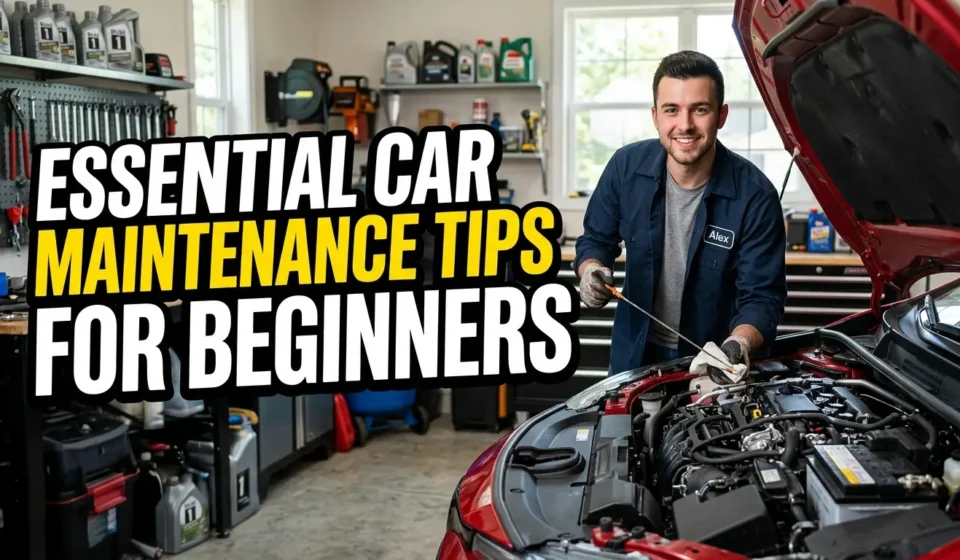

Essential Car Maintenance Tips for Beginners
Owning a car comes with many responsibilities, and one of the most important is proper maintenance. Regular car maintenance not only keeps your vehicle running smoothly but also helps prevent expensive repairs, improves fuel efficiency, and increases the lifespan of your car. For beginners, car maintenance may seem complicated, but learning a few basic habits can make a significant difference in your vehicle’s performance and reliability.
Many new drivers focus only on driving while ignoring routine maintenance. Unfortunately, neglecting small issues can lead to major mechanical problems over time. The good news is that most essential maintenance tasks are simple, affordable, and easy to understand. By following a regular maintenance schedule, you can keep your car in excellent condition and avoid unexpected breakdowns.
Whether you own a brand-new vehicle or a used car, understanding the basics of maintenance is one of the smartest investments you can make. This guide covers the most important car maintenance tips every beginner should know in 2026.
Why Car Maintenance Is Important
Regular maintenance helps ensure that every component of your vehicle operates correctly. A well-maintained car performs better, consumes less fuel, and remains safer on the road.
Ignoring maintenance can result in reduced engine performance, lower fuel economy, tire wear, brake issues, and costly mechanical failures. In some cases, neglecting routine servicing may even shorten the overall lifespan of the vehicle.
Maintenance also protects your investment. Cars that receive proper care typically maintain higher resale values compared to poorly maintained vehicles.
By spending a small amount of time and money on preventive maintenance, drivers can avoid much larger expenses in the future.
Check Your Engine Oil Regularly
Engine oil is often referred to as the lifeblood of a vehicle. It lubricates engine components, reduces friction, helps control temperature, and protects against wear.
One of the simplest maintenance tasks is checking the oil level regularly. Most manufacturers recommend inspecting engine oil at least once a month.
Low or dirty oil can cause serious engine damage if ignored for extended periods. If the oil appears dark, dirty, or below the recommended level, it may be time for an oil change.
Regular oil changes help maintain engine efficiency and extend the life of your vehicle.
📦 Monthly Car Maintenance Checklist
✔ Check Engine Oil
✔ Inspect Tire Pressure
✔ Test Headlights and Brake Lights
✔ Check Windshield Washer Fluid
✔ Examine Battery Terminals
✔ Inspect Wiper Blades
✔ Monitor Coolant Levels
✔ Look for Fluid Leaks
Maintain Proper Tire Pressure
Tires play a critical role in vehicle safety, handling, and fuel efficiency.
Underinflated tires increase rolling resistance, causing the engine to work harder and consume more fuel. Overinflated tires may reduce traction and lead to uneven wear.
Drivers should check tire pressure at least once a month using a reliable tire pressure gauge. Recommended pressure levels can usually be found inside the driver’s door frame or in the owner’s manual.
Maintaining correct tire pressure improves safety, fuel economy, and tire lifespan.
Rotate Your Tires Regularly
Tires do not wear evenly because front and rear wheels experience different forces during driving.
Regular tire rotation helps distribute wear more evenly across all four tires. This practice extends tire life and improves overall vehicle performance.
Most manufacturers recommend rotating tires every 5,000 to 8,000 miles, although exact intervals may vary depending on the vehicle.
Consistent tire rotation can save money by delaying the need for tire replacement.
Inspect Brake Performance
Brakes are among the most important safety systems in any vehicle.
Drivers should pay attention to unusual noises, vibrations, or reduced braking performance. Squealing sounds, grinding noises, or a soft brake pedal may indicate that maintenance is required.
Brake pads naturally wear over time and must be replaced periodically. Ignoring brake issues can compromise safety and lead to more expensive repairs.
Routine brake inspections help ensure reliable stopping power and protect both drivers and passengers.
Monitor Coolant Levels
The cooling system helps regulate engine temperature and prevents overheating.
Coolant circulates through the engine, absorbing excess heat and transferring it to the radiator. Low coolant levels can cause overheating, potentially leading to severe engine damage.
Drivers should regularly inspect coolant levels and ensure the reservoir remains within the recommended range.
If coolant levels drop frequently, it may indicate a leak that requires professional attention.
Replace Air Filters When Necessary
Air filters prevent dirt, dust, and debris from entering the engine.
A clogged air filter can restrict airflow, reducing engine performance and fuel efficiency. Fortunately, replacing an air filter is usually inexpensive and straightforward.
Most vehicles require air filter replacement every 12,000 to 15,000 miles, although driving conditions may affect replacement intervals.
Keeping the air filter clean helps the engine operate more efficiently.
Keep the Battery in Good Condition
A healthy battery is essential for reliable vehicle operation.
Battery terminals should remain clean and free from corrosion. Corroded connections can reduce electrical performance and cause starting problems.
Drivers should also pay attention to signs of battery weakness, such as slow engine cranking or dim headlights.
Most car batteries last between three and five years. Replacing an aging battery before it fails can prevent unexpected breakdowns.
📦 Warning Signs Your Car Needs Immediate Attention
⚠ Engine Warning Light Appears
⚠ Unusual Engine Noises
⚠ Overheating Temperature Gauge
⚠ Brake Performance Changes
⚠ Fluid Leaks Under Vehicle
⚠ Excessive Exhaust Smoke
⚠ Vibrations While Driving
⚠ Difficulty Starting the Engine
Check Fluid Levels Frequently
Modern vehicles rely on several important fluids besides engine oil.
Transmission fluid, brake fluid, power steering fluid, windshield washer fluid, and coolant all play vital roles in vehicle operation.
Low fluid levels can affect performance and lead to mechanical issues. Beginners should learn the location of fluid reservoirs and inspect them periodically.
Maintaining proper fluid levels is one of the easiest ways to keep a vehicle running smoothly.
Replace Windshield Wipers
Clear visibility is critical for safe driving.
Windshield wiper blades naturally wear out over time due to exposure to sunlight, rain, and extreme weather conditions.
Streaking, skipping, or noisy wipers are signs that replacement is needed.
Most experts recommend replacing wiper blades every six to twelve months to ensure optimal visibility during adverse weather.
Pay Attention to Warning Lights
Modern vehicles include sophisticated onboard diagnostic systems that monitor various components.
Dashboard warning lights provide early alerts when problems arise. Common warning indicators include the check engine light, battery light, oil pressure light, and tire pressure warning light.
Drivers should never ignore warning lights, especially those related to engine performance, braking systems, or safety features.
Addressing issues early often prevents more serious and expensive repairs.
Keep Your Car Clean
Regular cleaning is not just about appearance. Washing your vehicle removes dirt, road salt, and contaminants that can damage paint and promote rust.
The interior also benefits from routine cleaning. Dust, debris, and spills can cause premature wear if left unattended.
Applying wax periodically helps protect the paint finish and maintain the vehicle’s value.
A clean car not only looks better but also lasts longer.
Follow the Manufacturer’s Maintenance Schedule
Every vehicle includes a recommended maintenance schedule provided by the manufacturer.
This schedule outlines when specific services should be performed, including oil changes, tire rotations, fluid replacements, spark plug changes, and major inspections.
Following the manufacturer’s recommendations helps ensure optimal performance and may protect warranty coverage.
Keeping service records can also increase resale value by demonstrating responsible ownership.
Learn Basic Emergency Preparedness
Every driver should be prepared for unexpected situations.
An emergency kit should include items such as a flashlight, jumper cables, tire pressure gauge, first aid kit, portable phone charger, and basic tools.
Knowing how to change a tire, jump-start a battery, and check fluid levels can be extremely valuable during emergencies.
Prepared drivers are better equipped to handle roadside situations safely and efficiently.
Fuel Quality Matters
Using the correct fuel grade recommended by the manufacturer helps maintain engine performance.
While premium fuel is not necessary for every vehicle, drivers should avoid using fuel grades lower than recommended.
Consistently using high-quality fuel can help reduce deposits and improve long-term engine health.
Good fueling habits contribute to smoother vehicle operation and better reliability.
Drive Responsibly to Reduce Wear
Driving habits significantly affect vehicle longevity.
Aggressive acceleration, hard braking, and excessive speeding increase wear on tires, brakes, suspension components, and the engine.
Smooth and consistent driving reduces mechanical stress and helps improve fuel economy.
Developing responsible driving habits is one of the easiest ways to extend the life of a vehicle.
Seasonal Maintenance Is Important
Different seasons place unique demands on vehicles.
Summer heat can stress cooling systems and batteries, while winter conditions can affect tire performance, fluids, and starting systems.
Drivers should prepare their vehicles for seasonal changes by checking tires, batteries, fluids, and climate-control systems.
Seasonal maintenance helps ensure reliable performance throughout the year.
Benefits of Preventive Maintenance
Preventive maintenance focuses on addressing small issues before they become major problems.
This approach saves money, improves reliability, enhances safety, and extends vehicle lifespan.
Many expensive repairs can be avoided entirely through regular inspections and routine servicing.
Drivers who practice preventive maintenance often enjoy fewer breakdowns and lower ownership costs.
Conclusion
Learning basic car maintenance is an essential skill for every driver. Regular maintenance not only improves safety and reliability but also reduces long-term ownership costs and protects your investment.
Simple tasks such as checking engine oil, monitoring tire pressure, inspecting brakes, replacing filters, maintaining fluid levels, and following the manufacturer’s maintenance schedule can significantly improve vehicle performance and longevity.
For beginners, car maintenance may seem intimidating at first, but developing consistent maintenance habits quickly becomes routine. By taking proactive care of your vehicle, you can avoid costly repairs, enjoy better fuel efficiency, and ensure that your car remains dependable for years to come.
A well-maintained vehicle is safer, more efficient, and more enjoyable to drive. Investing time in preventive maintenance today can save significant money and frustration in the future.